


Strike/forward price of the underlying – the distance between the strike and current market price suggests the ‘moneyness’ of the option. More out of the money or less in the money the strike is versus the current forward, lower is the option price.
Current price of the underlying – as an extension of the above, price movement of the underlying dynamically changes the moneyness of the option by way of its distance from the fixed strike. Price of the option would correlate with the moneyness of the option in the same manner as for the strike price.
Risk free Interest Rate for the tenor of the option – It should naturally follow that this risk free option strategy (dynamically hedged at all times) would then have a return equal to the risk free rate and hence the option price is a function of the level of risk free interest rate. From the formulae below one can see that the value of a call option increases as risk free rate goes up and vice versa for put options.
Tenor of the option – a longer tenor offers more time for the underlying’s volatility to increase the moneyness and hence the price of an option.
As an example, to price a strike S (for an asset that takes discrete values), 3m Call option where Probability of Si = P(Si), St = price at which cumulative probability equals 1.
Expected Payoff of 100 Strike 3m Call = {P(S i) <100)*0} + ⅀ i = 101 to t {P(Si)*(Si-100)}
t in the equation above is the count on the observations that cover the entire probability distribution.
Graph 2 – Long Call Option price across Option expiries

Source: Pandemonium.
Graph 3 – Long Put Option price across Option expiries
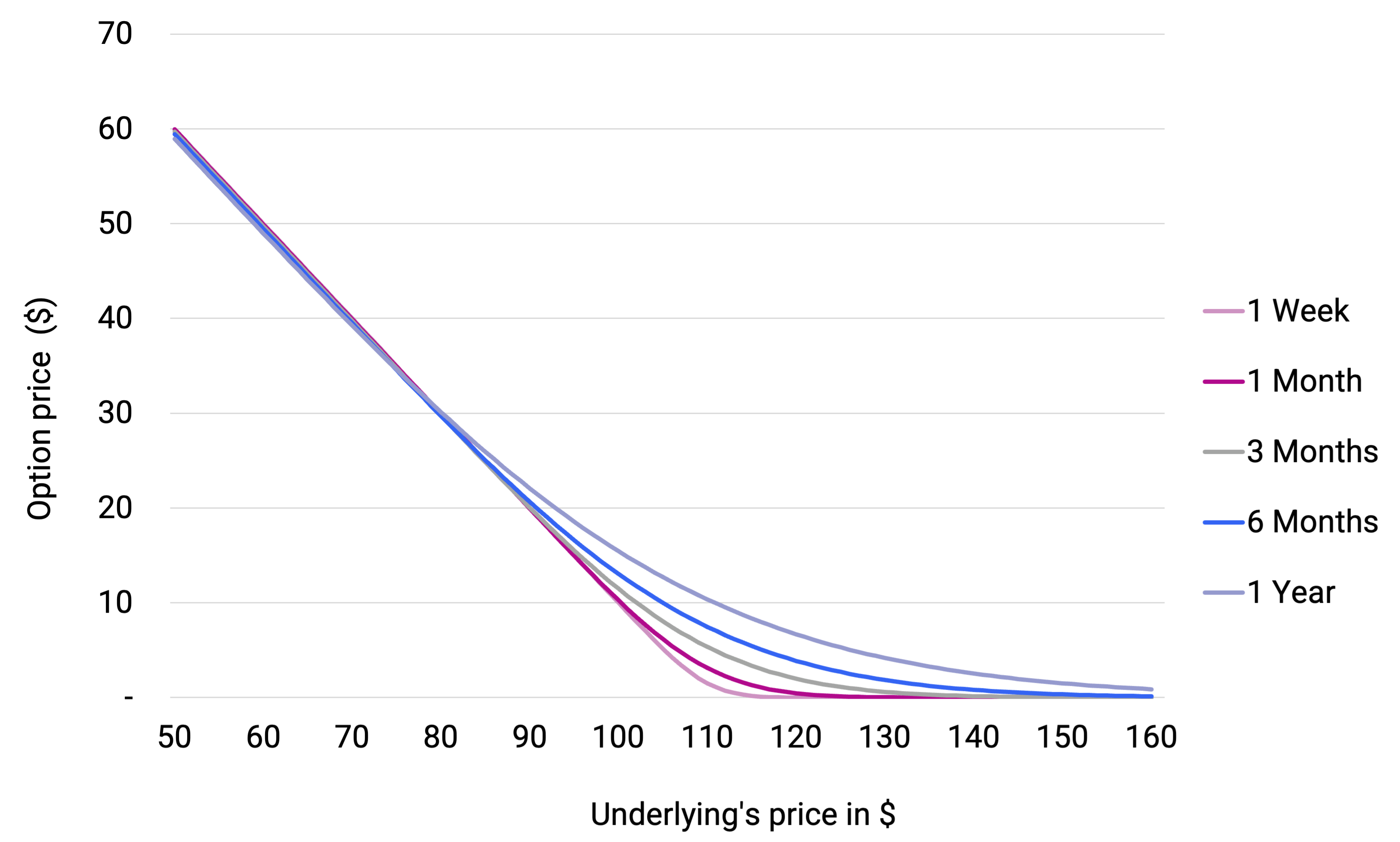
Graph 4 – Short Call Option price across Option expiries

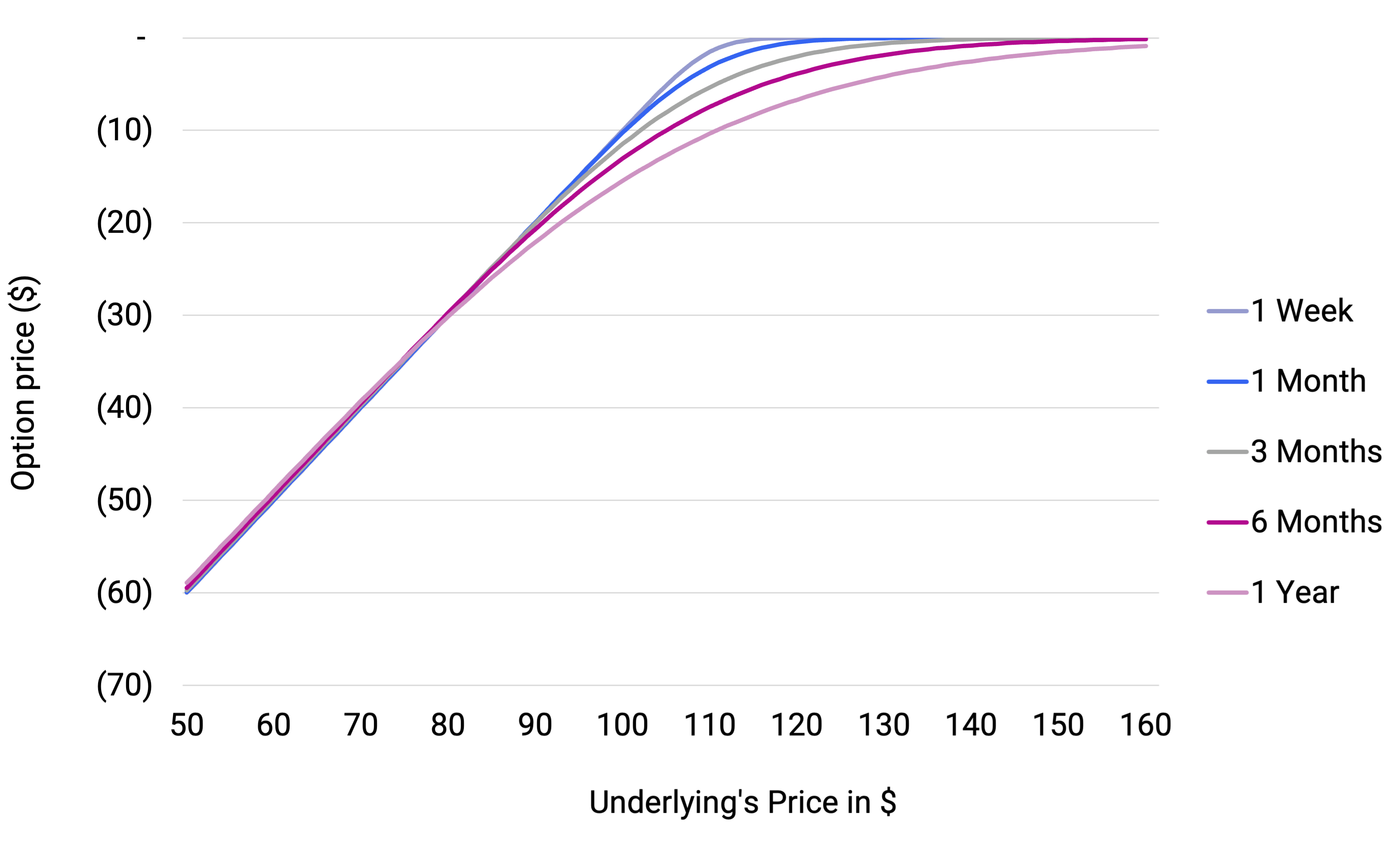
Graph 5 – Short Put Option price across Option expiries
Pandemonium is markets intelligence with the intuition of a dealing room — fifty-three lessons across rates, credit, FX and options. The intuition first, then the mathematics, then the trade. Written by Varda Pandey.
Members unlock every lesson across all six tracks and the complete archive of Market Notes.
Create a free account and read the first three lessons in every track, plus selected Market Notes.
Create a free account