


Picture this: A credit card program is on the brink of collapse — drowning in fraud, bad debts, and competing banks pulling in different directions. One visionary steps in, not just to fix it, but to reinvent how the entire world moves money.
Welcome back to Origins, where we uncover the hidden stories behind the everyday things that shape our lives. In our first issue, we explored how credit cards began with a forgotten wallet. Today, we follow one of those early cards on its incredible journey to become Visa — the network that powers payments “everywhere you want to be.”
Let’s dive in.
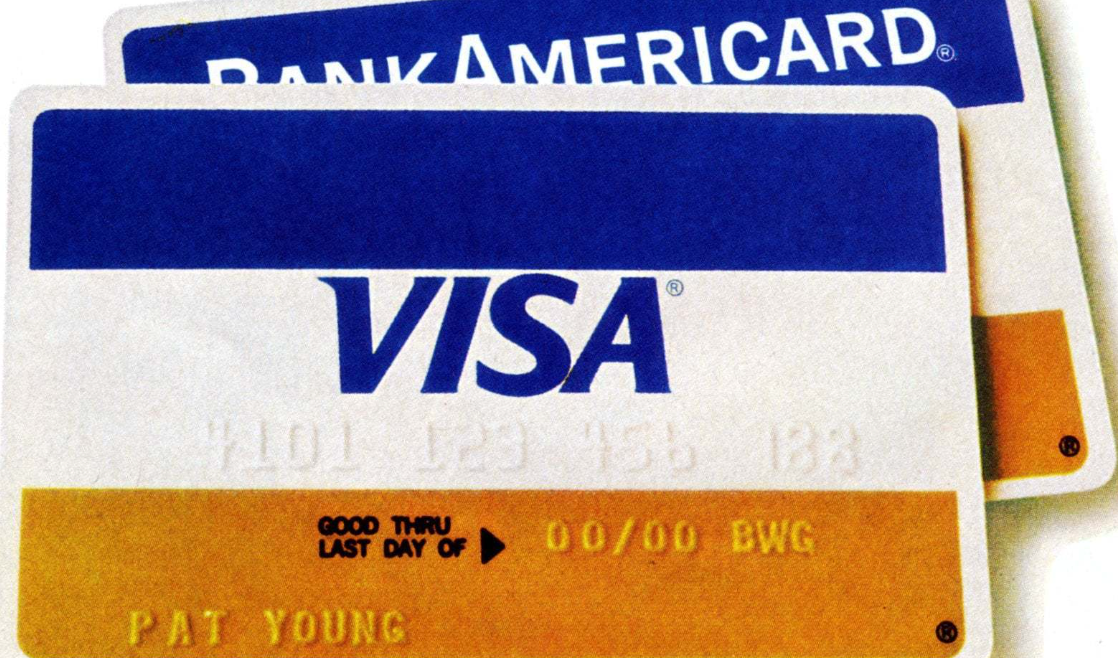
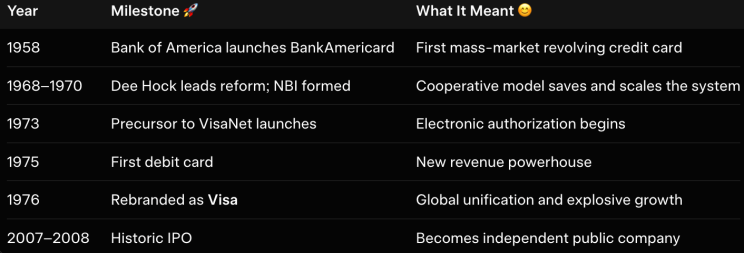
In 1958, Bank of America launched BankAmericard in Fresno, California. They mailed tens of thousands of unsolicited cards (with a $300 limit, printed on paper initially) to customers. It was the first successful mass-market revolving credit card. Merchants signed up, people spent, and the idea spread through licensing to other banks.
But success brought chaos. Fraud skyrocketed. Delinquencies soared. By the late 1960s, the program was in serious trouble.

In 1968, banker Dee Hock (managing his bank’s BankAmericard rollout in the Pacific Northwest) saw the problems clearly. Interchange issues between banks were a mess because the program had grown haphazardly.
Hock formed a committee of banks that persuaded Bank of America to give up sole control. In 1970, they created the member-owned National BankAmericard Inc. (NBI), with Hock as president and CEO. This cooperative model was revolutionary.
By 1973, NBI launched the precursor to VisaNet — one of the first electronic authorization and settlement systems.
Meanwhile, BankAmericard had gone international with local names:
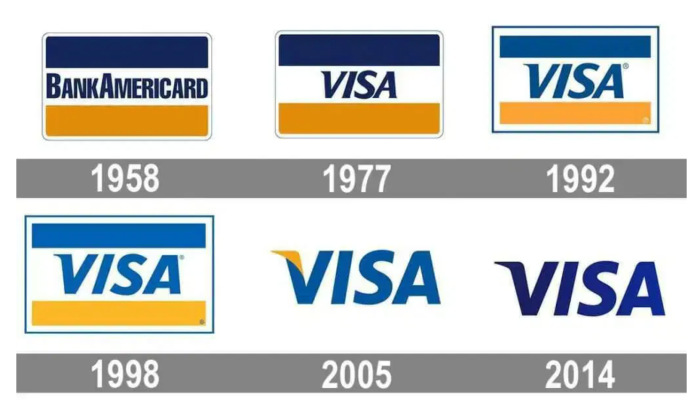
The international licensees faced resistance to the “Bank of America” name. Hock and the team chose a new, neutral name: Visa. It was easy to pronounce in almost any language and symbolized universal acceptance. The blue, white, and gold design evoked trust and global reach.
The rebrand unified everything under one banner and supercharged growth.
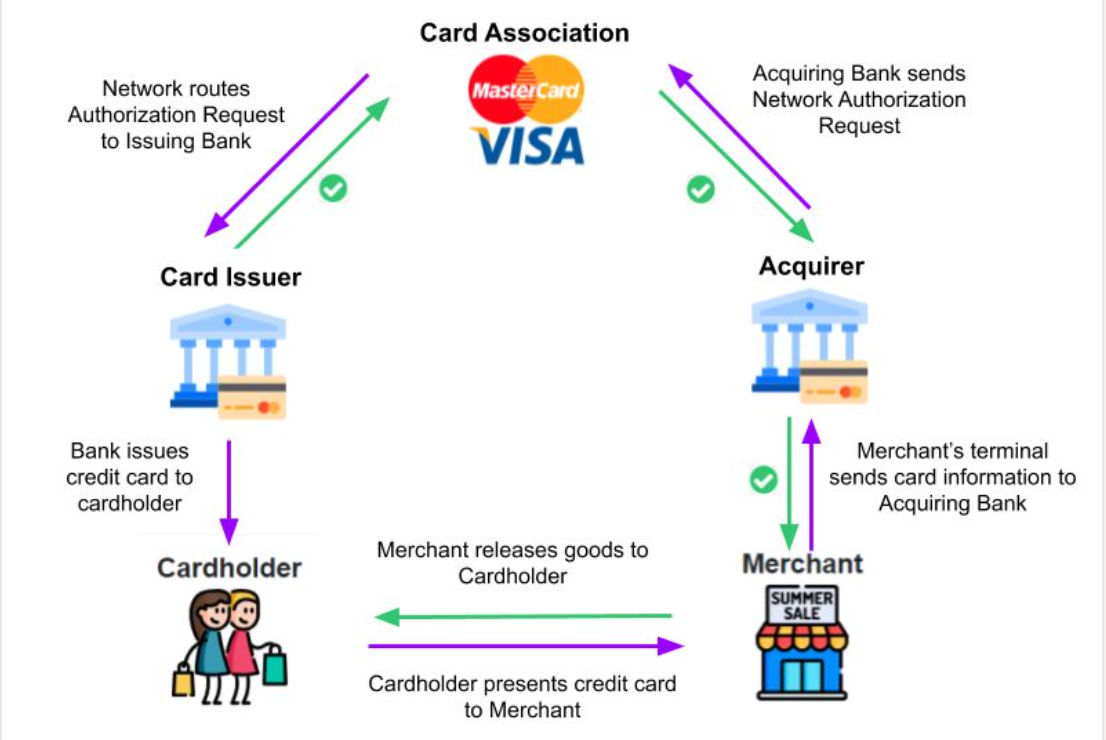
Visa doesn’t issue cards or extend credit — banks do. Visa runs the VisaNet network that connects everyone. A typical transaction flows like this in seconds:
This happens in three main steps: Authorization (approve/decline), Clearing (final details), and Settlement (actual money movement). It all takes seconds, whether you’re buying groceries or booking a trip abroad.
Visa makes money primarily through small fees on the payment flow (assessments). Merchants typically pay 1.43%–2.4% total processing fees (interchange to issuing banks + assessments to Visa + acquirer markup). Visa takes only a small portion — for example, about 0.13% on many debit transactions — but at a massive scale (tens of thousands of transactions per second), it adds up to tens of billions in revenue.
Visa has grown into a payments powerhouse. In fiscal 2025, the company reported:
Visa operates globally with strong regional performance (U.S. remains the largest single market at roughly 43% of revenue, with the rest of the world making up 57%). The network handles tens of thousands of transactions per second with exceptional reliability.
One good idea — and a lot of smart collaboration — can change the world. Dee Hock’s vision turned a struggling program into a global infrastructure that quietly powers modern commerce. It’s a powerful reminder that rethinking how we work together often creates the biggest breakthroughs.
The next time you tap your Visa card, you’re part of a story that started with paper cards and phone calls — and now moves money at the speed of light, generating tens of billions in revenue along the way.
What should we explore in Origins Issue #3? Mastercard? American Express? Digital payments? Reply and let me know — I read every response.
— Your Origins team
Thanks for reading. See you next issue!
